Freedom is an inside job.
I write about self-liberation: healing, personal growth, and self-empowerment.For more recent writing, visit my newsletter at Sparkly Dark.
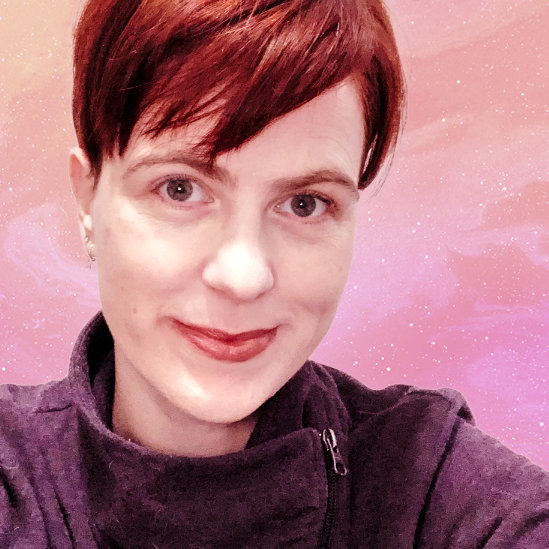
Hi, I’m Emma. I've been working on my own healing and walking a spiritual path for 20 years. I share what has worked for me in the hope that others can use it to heal and find their own authentic joy and power.
Where to Start
- Attachment. I have Fearful-Avoidant attachment. I have a primer on adult attachment style as well as a detailed post on my journey with healing FA. I have also written a guide for people unsure of which attachment style they have and what activating and de-activating strategies means in attachment.
- CPTSD (Complex PTSD). I have CPTSD from childhood trauma. I have a primer on trauma/CPTSD and discuss inner child healing with parts work, emotional neglect and emotional flashbacks.
- Fantasy/Delusion. One way my brain coped with trauma was through romantic rescue fantasies and limerence. I've also written about false spirituality and self-delusion.
- Self-healing. It starts with mindfulness. I've also written about how to process trauma without therapy, change your core beliefs, practice self-validation, end self-loathing, and rewire your brain in real-time. I also have a list of my favorite resources (Youtubers, books, courses).
- State shifting. This is the technique of training yourself to "be happy anyway", i.e. self-generate states of joy and happiness to reset your baseline emotional state. I have an introdution to state-shifting and how it differs from toxic positivity.
New Posts

I am autistic
This is a pretty big deal, so let me explain how I got here.

I guess I have ADHD after all
I only recognized myself when I started reading people reframing ADHD as neurodivergence, and even then it took me awhile to deconstruct the pathology language surrounding it.

Life update: divorce, burnout, new things
I’m through the hard, and ready to rock the internet again. Come find me on Substack or Facebook if you want to hang out!

How to Use ChatGPT for Self-Therapy, Self-Coaching, and Personal Growth
Three examples of using ChatGPT for self-therapy and self-coaching, with full prompts and responses.

Why Healing Can Feel Like Self-Betrayal
If you heal, does that mean you are letting the people who hurt you off the hook?

The Layer Cake of Sustainable Motivation
Learn why creative & intuitive types can get stuck around motivation, and how to create that sweet, sweet alignment that makes you excited to jump out of bed in the morning.

Intro to State Shifting: Choosing to Be Happy Anyway
Shifting from a bad mood to a good mood is both easier and harder than it sounds.
The Moment Healing Happens In Your Mind
The moment when your brain offers you an interpretation based in trauma and you choose reality instead.

Healing Clutter: Trauma and the Tyranny of Aspirational Objects
How to withdraw your inner critic and aspirational fantasies from objects so you can let them go.

Healing Fantasies: Releasing the Longing to Be Rescued
Wherein I explain healing fantasies (aka redemption or salvation fantasies), the function they serve, my personal history with them, and what to do about them.

Self-Loathing Serves a Purpose (and How to Heal)
Why our mind inflicts pain on itself and how to make it stop.

How to Meet Your Own Emotional Needs Through Self-Validation
Giving up my healing fantasy of emotional rescue and learning to give myself the validation I always needed.

Don’t Hold Your Present Hostage To Your Past
You have no power over the past. But you do have power over your present.

How to Process Trauma By Yourself (Without Therapy)
Processing trauma isn’t nearly as complicated as it often sounds.

False Spirituality and Self-Delusion
“Meant to be” can easily become a way to disempower ourselves.

How to Heal Core Belief-Fueled Emotional Reactivity
You don’t need to fight a battle against a ghost. All you need to do is see that it is a ghost.

Conscious Coping – Let Yourself Have It
Guilt and self-criticism do not improve your behavior. You can love yourself, even when you’re not perfect.

When “Feel Your Feelings” Doesn’t Work
Sometimes you are just reinforcing negative beliefs.

The Hell that is Fearful-Avoidant Attachment (and How to Heal It)
Desperate to be loved, terrified to be seen.

It Doesn’t Have to Mean That You’re Broken
We end up holding ourselves hostage to the meaning we give things. Change your story, change your life.